


The attribution model that is costing most DTC brands 20% of their acquisition budget
[…]

Search is still one of the most powerful growth channels in ecommerce — but most brands either ignore it until they're at scale, or hand it to an agency that treats it like a content marketing exercise.
Effective ecommerce SEO in 2026 requires strong site architecture, commercial keyword strategy, category and product page optimisation built for buyers not crawlers, technical precision that keeps Shopify stores crawlable and fast, and alignment with paid acquisition so both channels reinforce each other rather than cannibalise.
We build ecommerce SEO systems that compound over time — increasing qualified organic traffic, improving conversion from search, and progressively reducing your dependence on paid acquisition to hit revenue targets.
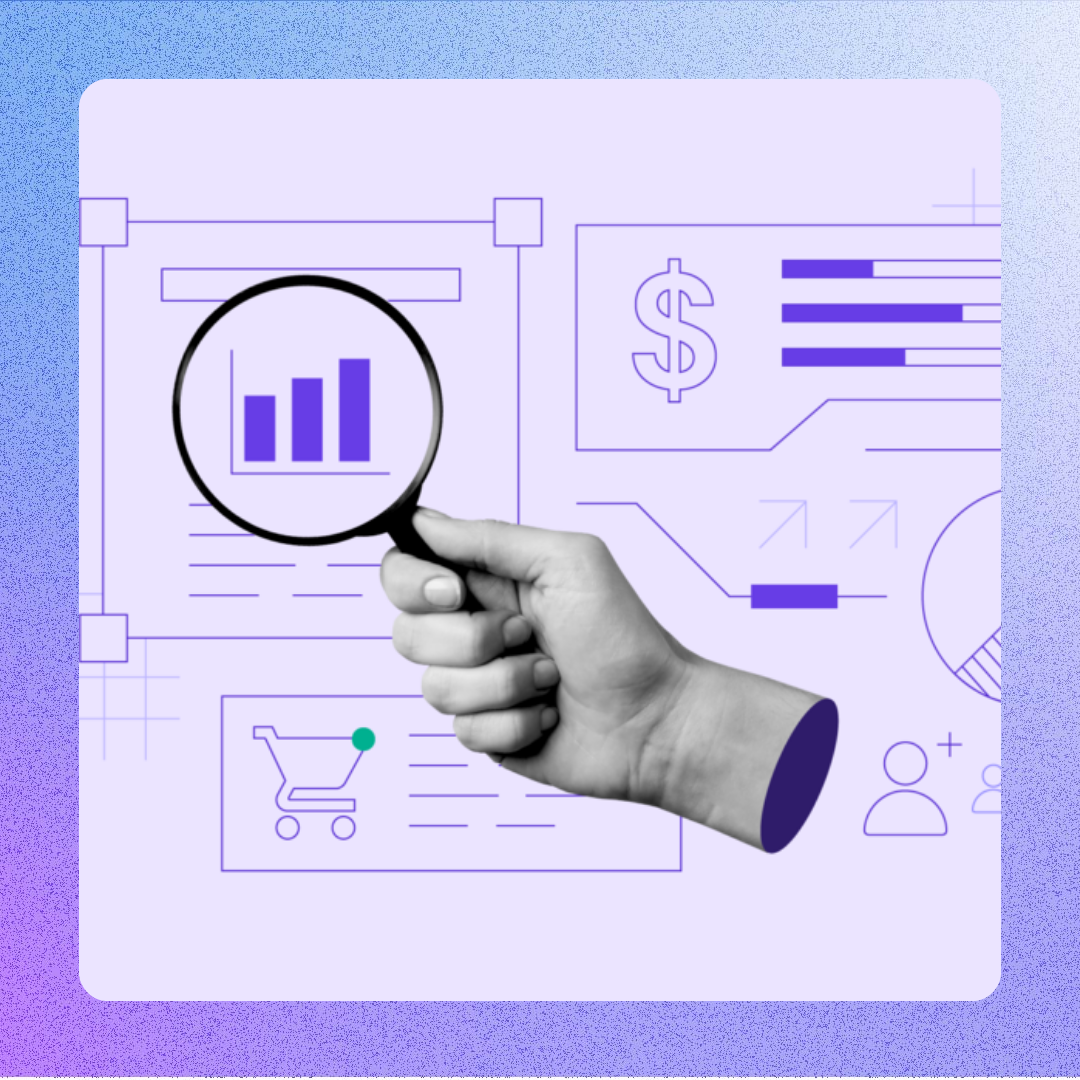

Most SEO agencies default to a content-first approach — write more blogs, build more links, publish more pages. That model works for media sites and lead-gen businesses. It does not work for ecommerce.
Ecommerce SEO is fundamentally different for five reasons:
First, the search intent is transactional. Visitors arriving from “best running shoes for flat feet” or “buy olive oil online UK” are ready to purchase — or close to it. The SEO strategy needs to get those visitors to category and product pages, not blog posts.
Second, your most valuable pages — category and collection pages — are the hardest to optimise. They have thin content by default, duplicate signals across similar variants, and complex faceted navigation that creates crawl problems. Getting these right is where most ecommerce SEO value lives.
Third, scale creates technical complexity. A Shopify store with 500 SKUs has thousands of URL combinations, filtered pages, and potential duplicate content issues that a 10-page service website never encounters.
Fourth, seasonality and inventory change constantly. SEO strategy for ecommerce has to account for products going in and out of stock, seasonal demand shifts, and new category launches — none of which traditional SEO thinking adequately addresses.
Fifth, it has to connect to the rest of your marketing. Organic traffic that lands on pages with poor conversion rates wastes the SEO investment. Content that builds brand awareness but drives no commercial intent wastes the content investment. Ecommerce SEO only works when it’s part of a connected growth system.
That’s why we structure our SEO work around the same Launch → Grow → Retain lifecycle we use across everything else — because the SEO priorities genuinely change at each stage.

At Expose Growth, SEO isn't a standalone service — it's integrated into your broader growth system. What you need from SEO at launch stage is completely different from what you need at scale, which is different again from what you need when retention becomes the priority. We structure our SEO work accordingly — applying the right approach at the right stage rather than running the same playbook for every brand regardless of where they are.
When ecommerce brands launch or relaunch, SEO should focus on:
Getting foundations wrong at launch creates debt that’s expensive to unwind later. A category structure rebuilt six months post-launch means redirects, lost authority, and weeks of re-indexation. We build it right the first time.


As brands scale, SEO shifts toward growth and authority.
Key focus areas include:
At grow stage the goal shifts from visibility to dominance. You’re not just trying to rank — you’re trying to own the search results in your category. That takes a systematic approach to authority building, intent expansion, and content architecture that keeps compounding month after month.
As your brand scales, organic search starts working in both directions — bringing in new customers through commercial terms, and reinforcing relationships with existing ones through brand searches, product education, and support content.
At retain stage, SEO priorities shift toward:
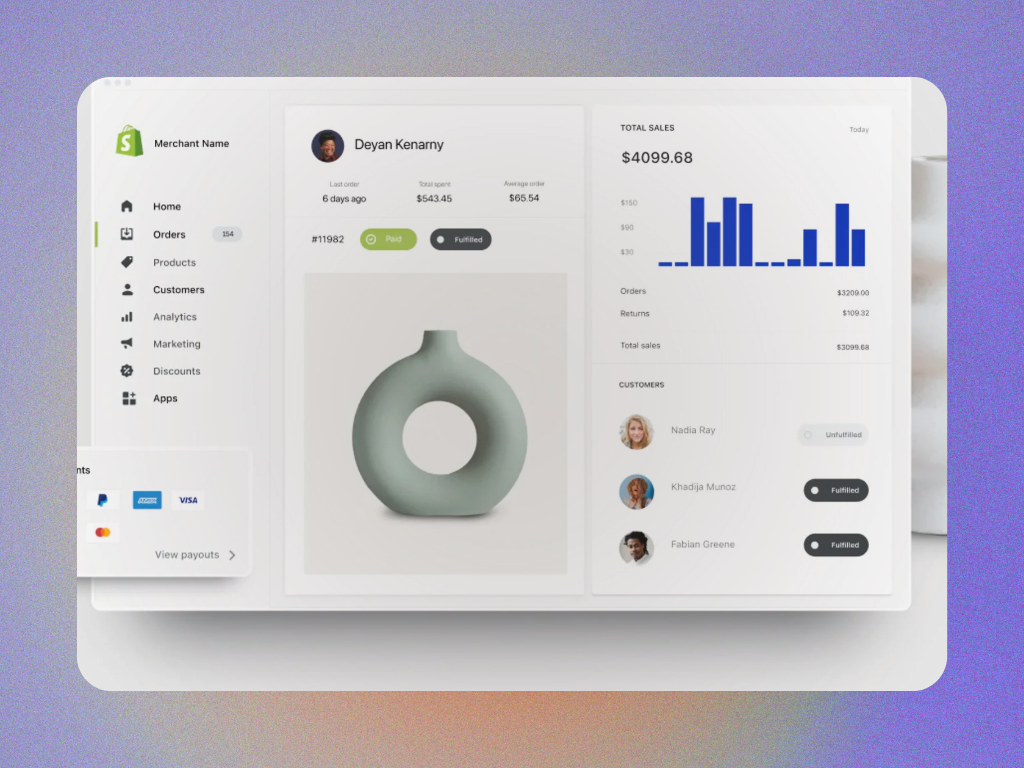
Every SEO engagement is scoped to where you are and what you need. Here’s what most ecommerce SEO work covers across a full engagement:
We begin by understanding where organic growth potential exists.
This includes:
Most brands are either targeting too broadly — chasing high-volume head terms they can’t realistically rank for — or too narrowly — optimising for terms that drive traffic but no revenue. Strategy fixes both by mapping the specific keyword opportunities where you can realistically win and where winning matters commercially.
Technical SEO ensures search engines can efficiently crawl and index your website.
Our work includes:
Shopify creates specific technical challenges that generic SEO agencies miss. The platform’s default handling of product variants, collection filters, and canonical tags frequently creates indexation problems that suppress rankings — even when content and links are strong. We know Shopify’s technical quirks because we work with it constantly.
For ecommerce websites, category pages are often the most important SEO assets.
We optimise by improving:
Product pages are optimised for long-tail commercial terms — the specific, high-intent searches that indicate a buyer is close to a purchase decision. This includes product-specific schema, review integration, and variant URL management that Shopify handles inconsistently by default.
Internal linking is one of the most overlooked ranking factors.
We develop linking structures that:
On many Shopify stores we audit, key category pages have fewer internal links pointing to them than blog posts written three years ago. That’s backwards. Internal linking is free authority distribution — and most brands leave most of it on the table.
SEO reporting should support decision making — not just show rankings.
Our reporting focuses on:
We don’t send ranking reports for the sake of them. Every reporting cycle is tied to a revenue outcome — organic traffic that converts, category pages that rank and sell, and a clear view of whether SEO investment is paying back. If the numbers aren’t pointing the right way, we tell you and change the approach.
Content supports organic growth when it reinforces commercial search intent.
Our approach focuses on:
Every piece of content we recommend has a commercial purpose. We don’t create content for traffic that doesn’t convert or brand awareness that can’t be measured. If a piece of content doesn’t have a clear line to a revenue outcome — a category page it supports, a product it educates about, a buyer question it answers — we don’t build it.
Our SEO for E-Commerce 2026 playbook covers everything we use with clients — keyword strategy, technical SEO checklist, category page optimisation framework, and content planning templates — in a self-service format. If you're not ready to bring us in, it's the best place to start building your organic growth foundation independently.
Step-by-step systems for launch, growth, and retention
Self-guided learning on funnels, AARRR, and more
Checklists and frameworks ready to use today
It depends on your starting point, but here's an honest timeline: technical fixes and on-page optimisation can show measurable improvement in search visibility within 6–12 weeks. Category page rankings typically improve within 3–6 months when foundations are solid and competition isn't extreme. Domain-level authority and brand-new sites take 6–12 months before organic traffic becomes a meaningful revenue channel. We set specific milestones at the start of every engagement so you know what to expect and when — not vague promises about "long-term results."
Yes — Shopify and Shopify Plus are where we have the deepest ecommerce SEO expertise. We understand the platform's specific challenges: canonical tag handling, faceted navigation and filtered URL management, app-created duplicate content, Core Web Vitals issues from theme bloat, and collection page architecture. These are the issues that suppress Shopify store rankings most commonly — and the ones generic SEO agencies typically miss because they're not platform-specific enough.
Two things. First, we only work with ecommerce brands — specifically Shopify and DTC brands. We're not running the same SEO playbook for a solicitor's firm and a fashion retailer. We know Shopify's technical quirks, ecommerce search intent patterns, and the category page optimisation approaches that actually move rankings in competitive product categories. Second, we connect SEO to your wider growth system. Rankings that don't convert are a vanity metric. We care about organic revenue — which means every SEO decision is made with your conversion rate and customer journey in mind.
The honest answer is it depends on your stage and your margin. At launch, paid gives you speed — you can test messaging, validate demand, and get early revenue without waiting months for organic to build. SEO at launch is about foundations, not traffic. As you scale, SEO becomes increasingly important because it progressively reduces your dependence on paid acquisition. A brand doing £50k/month entirely on paid media is completely exposed to platform changes, CPM increases, and attribution shifts. SEO is the insurance policy — and eventually the primary growth engine. The best ecommerce brands run both together, with SEO gradually taking on more of the acquisition load as organic authority builds.
This is the most common concern we hear — and it's a fair one. SEO that doesn't work usually fails for one of four reasons: it was treated as a content exercise without commercial intent, technical issues were never properly fixed, the keyword strategy targeted too-competitive terms the site couldn't realistically rank for, or results were measured on rankings rather than revenue. Before we start any engagement we do an SEO audit that tells you specifically what's been done, what worked, what didn't, and why. If we don't think we can improve on what you've already tried, we'll tell you that honestly before you commit to anything.
Both. An SEO audit is often the best starting point — it gives you a prioritised list of exactly what to fix, in what order, with what expected impact. Some brands take that audit and action it in-house or with their existing team. Others use it as the brief for an ongoing engagement with us. There's no obligation either way. If you want to start with an audit, book a free 30-minute call and we'll scope what that would cover for your specific store.
Book a free 30-minute SEO audit. We'll review your current organic performance, identify the specific technical and strategic gaps suppressing your rankings, and tell you exactly what to prioritise first. Shopify specialists. No pitch. No pressure.
We respond within 24 hours. Shopify & DTC ecommerce specialists.
Adding {{itemName}} to cart
Added {{itemName}} to cart

