


The attribution model that is costing most DTC brands 20% of their acquisition budget
[…]

Email marketing is one of the highest-ROI channels in ecommerce — when it’s treated as a system.
At Expose Growth, our ecommerce email marketing services focus on lifecycle-driven retention, not one-off sends. We help brands build email systems that support repeat purchase, customer loyalty, and long-term profitability.
Email isn’t just a channel.
It’s the backbone of retention.
Find growth gaps yourself Explore the Growth Hub.

Most email marketing problems aren’t caused by tools — they’re caused by strategy gaps.
Common issues we see include:
• No clear lifecycle or retention plan — a welcome email and a monthly newsletter is not a retention strategy. Without mapped journeys for post-purchase, re-engagement, and win-back, email is reactive rather than systematic
• Reliance on generic campaigns — blasting the same message to the entire list regardless of purchase history, engagement level, or where someone is in the customer lifecycle. The result is declining open rates, increasing unsubscribes, and deliverability problems that compound over time
• Over-discounting to drive clicks — training customers to wait for the next 20% off email before buying. This destroys margin, devalues the brand, and creates a list of discount hunters rather than loyal customers
• Poor segmentation and targeting — treating a customer who bought three times in the last six months the same way as someone who bought once eighteen months ago and never opened an email since. These customers need completely different messages
• Limited understanding of post-purchase behaviour — not knowing what customers buy next, when they typically buy again, or which products have the highest repurchase rate. Without this data, email timing and product recommendations are guesswork
Without structure, email becomes noise — and noise gets unsubscribed from. We bring clarity, relevance, and systematic intent to every email programme we build or fix.

We structure every email engagement around five areas. Each one addresses a specific failure mode we see in ecommerce email programmes that are running but not performing. Together they form a connected system — not a collection of campaigns built in isolation.
We work primarily in Klaviyo for Shopify and Shopify Plus brands. It's the most powerful ecommerce email platform available and the one we know most thoroughly — from flow architecture and segmentation logic to deliverability management and revenue attribution.
Everything starts with data. We help brands:
Segmentation is what separates email that builds customer relationships from email that erodes them. A subscriber who gets a message that feels like it was written for them specifically is far more likely to buy — and far less likely to unsubscribe — than one who gets a message that clearly went to the whole list.
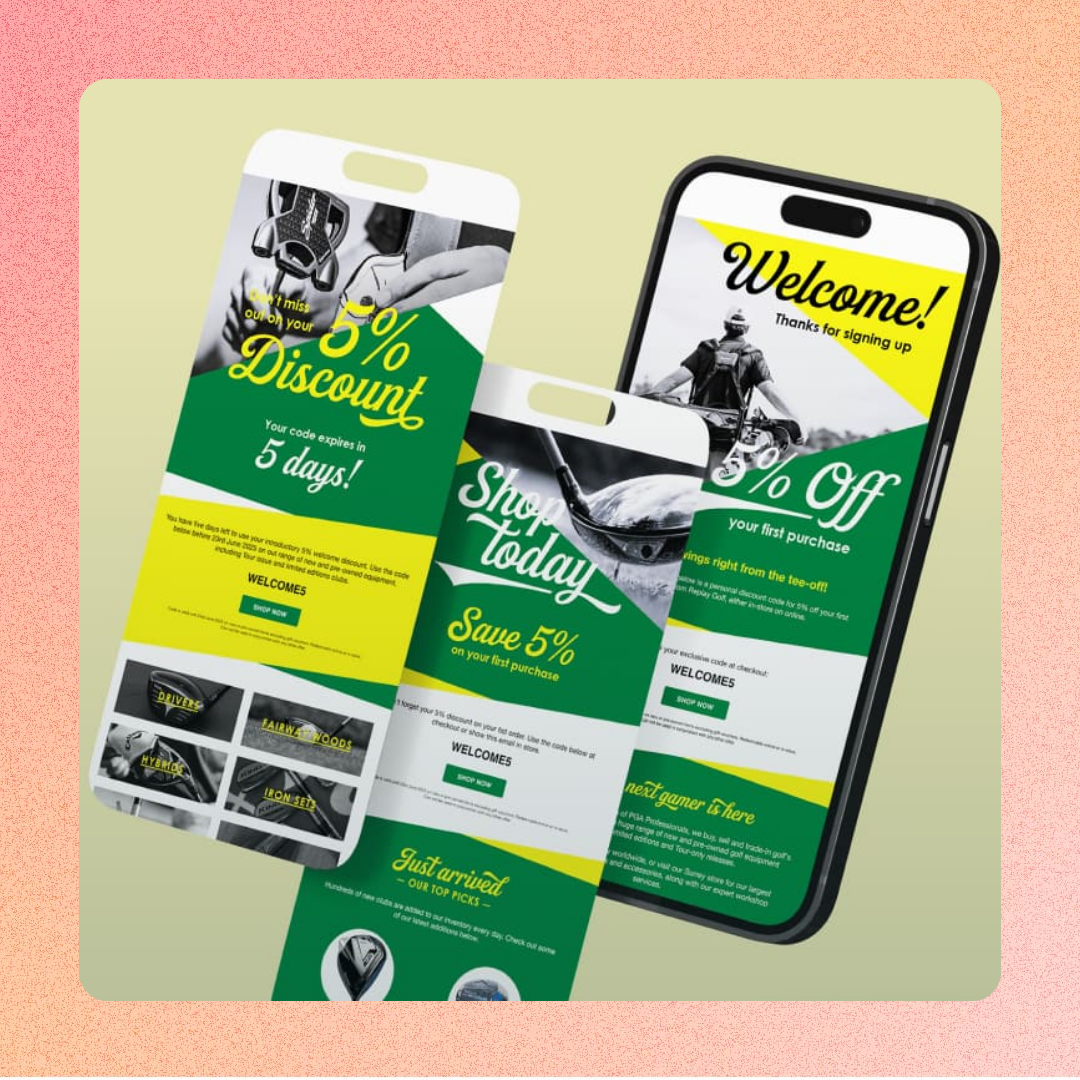
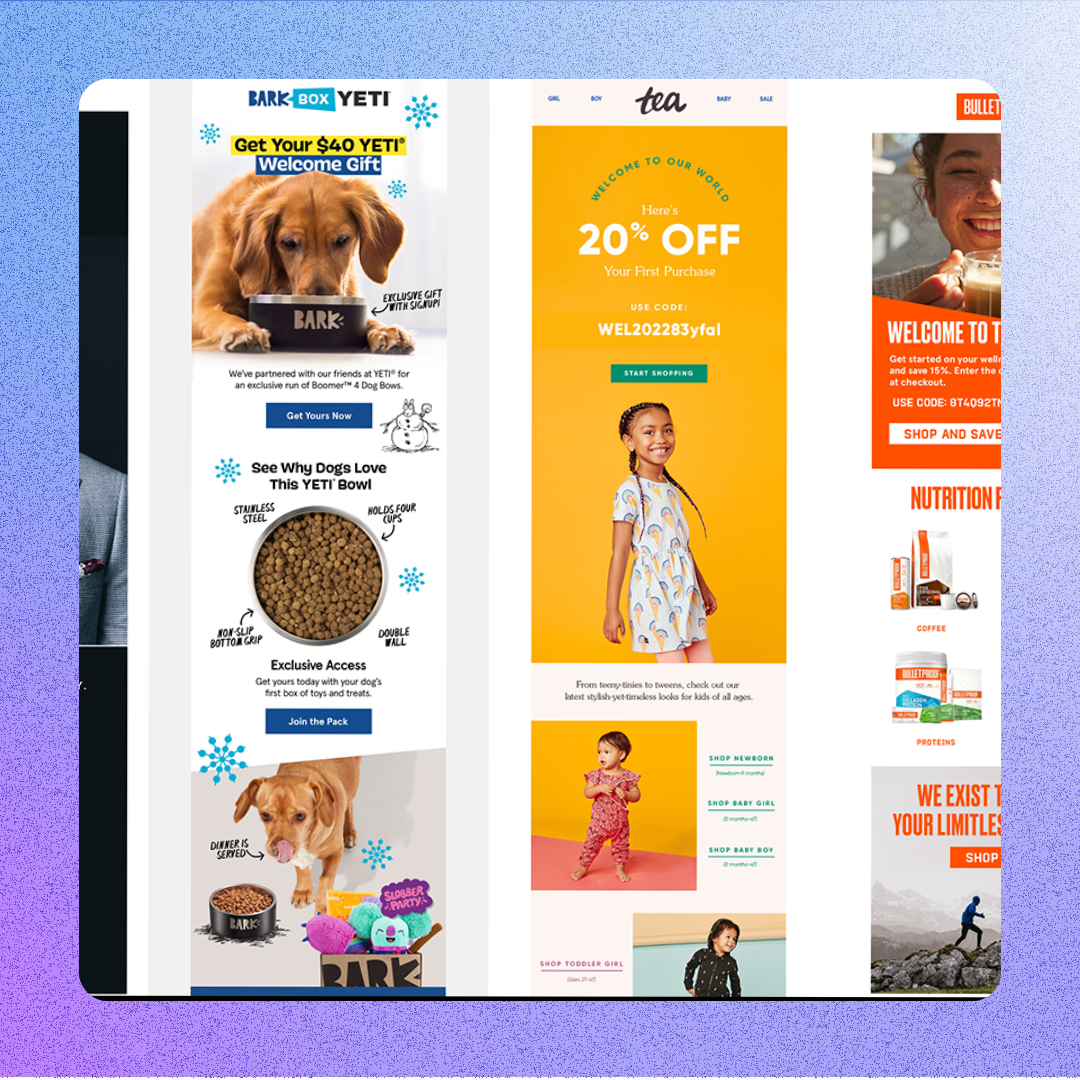
Lifecycle flows form the foundation of effective email marketing. We design and optimise:
Flows do the work that campaigns can’t — they respond to individual customer behaviour rather than broadcasting to a calendar. A well-built flow architecture means your email programme is generating revenue around the clock, whether you’re actively sending campaigns or not. It’s the most scalable form of email marketing available and the area where most brands are leaving the most money on the table.
Campaigns should support lifecycle — not replace it. Our campaign strategy focuses on:
The brands consistently generating 30–40% of total revenue from email are not sending more — they’re sending smarter. Better segmentation, better timing, and better content balance means every campaign works harder without burning the list.
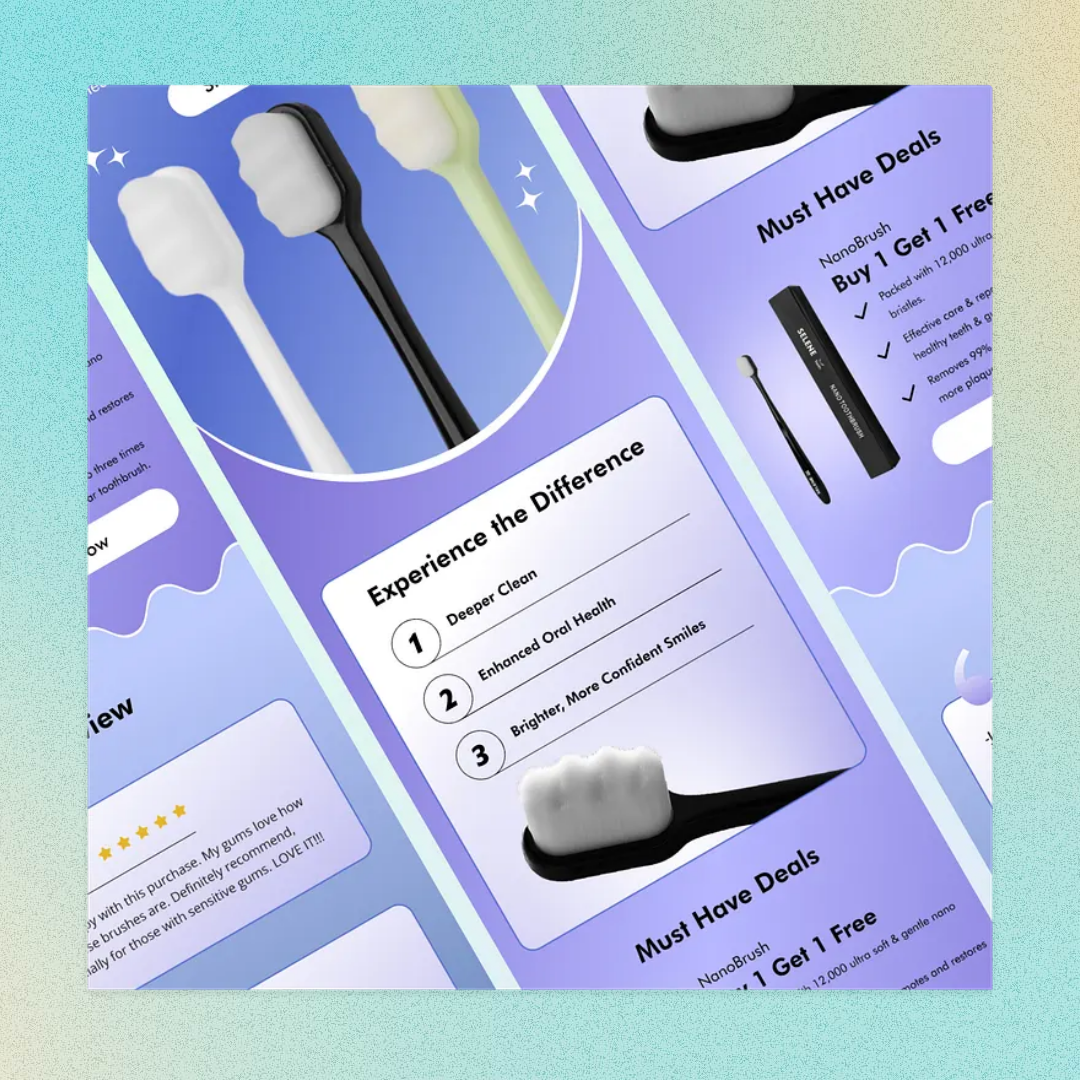
Generic messaging drives unsubscribes. We focus on:
Email messaging should feel helpful — not intrusive. The test for every email we build or review is simple: would a customer who receives this feel like it was worth their time? If the honest answer is no, it doesn’t go out.
Open rates don’t tell the full story. We help brands track:
Open rates and click rates are inputs — they help you diagnose, not decide. The decisions that matter are driven by revenue per subscriber, repeat purchase rate, and LTV trends by cohort. We build reporting that shows these clearly so that every strategic email decision is grounded in business impact, not platform dashboard aesthetics.
Email plays a different role depending on stage.
At launch, email focus is on:
At launch stage the goal isn’t volume — it’s establishing the foundations that make every subsequent campaign more effective. A well-built welcome sequence at launch is still generating revenue twelve months later.
During growth, email shifts focus to:
During growth, email starts to take meaningful pressure off paid acquisition. Every subscriber who converts through email is a customer you didn’t have to pay to acquire twice.
At retention stage, email becomes the primary revenue lever:
At retention stage, a well-built email programme is the difference between a business that grows predictably and one that is entirely dependent on continued acquisition spend to maintain revenue.
Klaviyo is the most powerful ecommerce email platform available — and the most misused. Having a Klaviyo account does not mean your email marketing is working. It means you have access to the tools. What you do with them determines the results.
Here’s specifically what we do inside Klaviyo for Shopify brands:
Account architecture and setup How your Klaviyo account is structured determines how effective your segmentation and automation can be. We audit existing accounts and build new ones with a logical flow architecture, clean list structure, and correct Shopify integration from the start.
Flow builds and rebuilds We build the full flow stack — welcome, post-purchase, cart and checkout abandonment, browse abandonment, win-back, replenishment, VIP, and sunset — from scratch or audit and rebuild underperforming existing flows. Every flow is built with clear send logic, appropriate delays, and conditional splits that make the automation intelligent rather than mechanical.
Segmentation and list management We build Klaviyo segments based on RFM logic, purchase behaviour, engagement level, and predicted LTV. These segments power both flow targeting and campaign sending so that the right subscriber always gets the right message.
Deliverability management Klaviyo deliverability problems are common and quietly devastating. We monitor sender reputation, manage warm-up for new sending domains, suppress disengaged contacts before they damage deliverability, and set up the DMARC, DKIM, and SPF authentication that ISPs increasingly require.
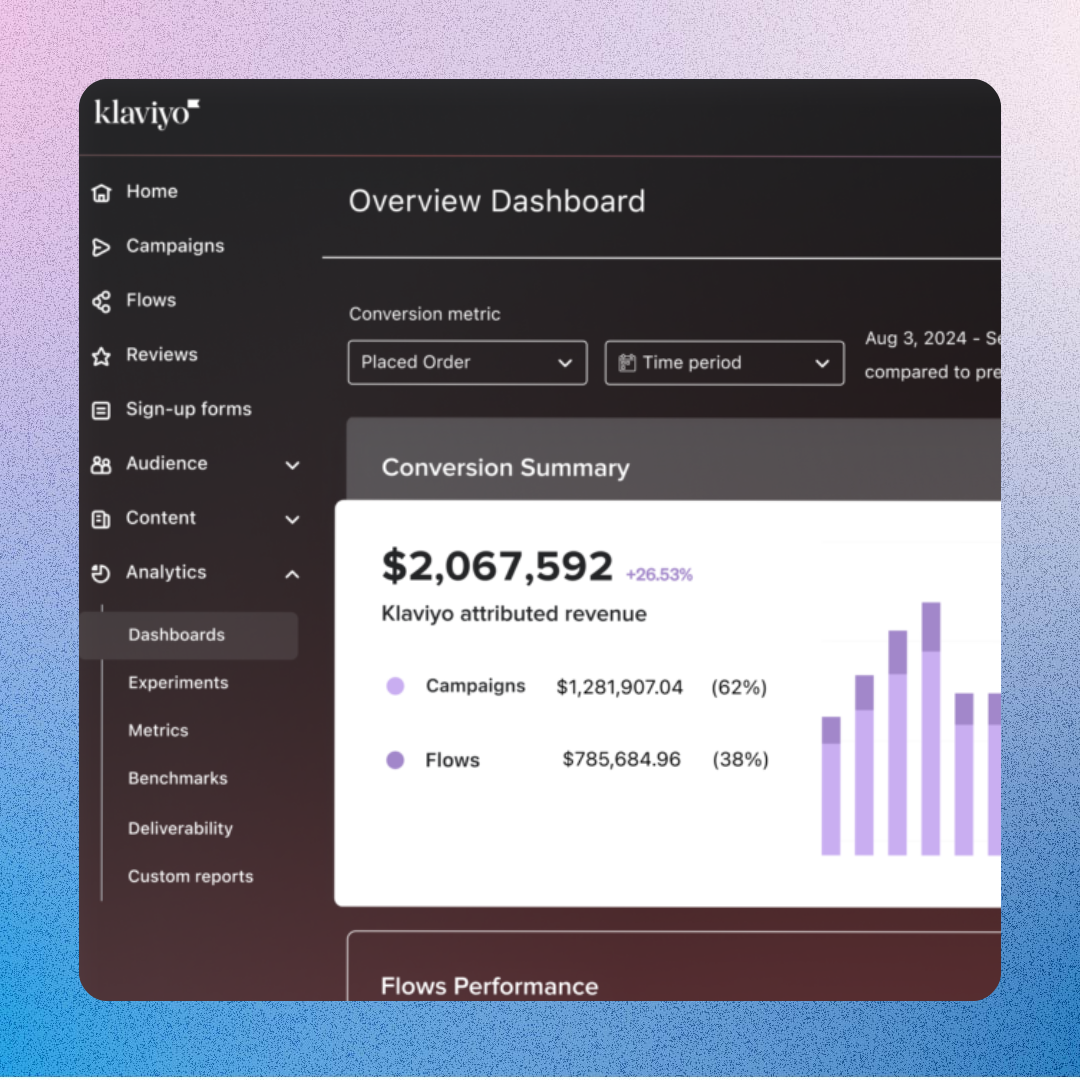
Klaviyo reporting and attribution Klaviyo’s native reporting overstates email’s contribution by using a wide attribution window by default. We configure attribution settings correctly, build custom reports that show revenue per subscriber and flow-level performance, and connect Klaviyo data to broader business metrics so you have an accurate picture of what email is actually driving.
Klaviyo for Shopify — the integration specifics The Klaviyo-Shopify integration, when configured correctly, enables product feeds for dynamic content, Shopify order data for purchase-triggered flows, and browsing data for behaviour-triggered sequences. We ensure the integration is set up to pass all available data correctly — because incomplete data means incomplete automation.
Every email engagement starts with an audit of what’s currently running before we recommend what to build or change. Here’s what most full engagements cover:
• Email marketing audit — a full review of your current Klaviyo setup identifying flow gaps, segmentation problems, deliverability issues, and the specific revenue opportunities you’re currently missing
• List health and deliverability assessment — cleaning suppression lists, checking sender reputation, and fixing authentication issues before any new campaigns go live
• Segmentation strategy and build — RFM-based segments, engagement segments, and lifecycle stage segments configured in Klaviyo
• Full flow build or rebuild — the complete lifecycle flow stack from welcome through to win-back, built or optimised for your specific product, customer behaviour, and brand voice
• Campaign calendar — a planned 90-day campaign schedule balancing promotions, value content, product education, and seasonal moments
• Copy and design direction — email briefs, copy review, and template design guidance aligned with brand guidelines and deliverability best practice
• Performance reporting setup — custom Klaviyo reports tracking revenue per subscriber, flow performance, campaign performance, and list growth
• Ongoing optimisation — monthly review of performance data with specific changes made based on what the numbers are telling us
Some brands hand us their Klaviyo account and want us to run everything. Others have a marketing team who can execute but need the strategy, architecture, and initial build done properly. Others want us to audit what they have and tell them what to fix. We’re set up for all three — and we’ll always tell you which approach makes most sense for where you are.
Our Retention Tactics for E-Commerce playbook contains the email frameworks, flow planning templates, segmentation guides, and campaign calendar structures we use with clients — in a self-service format. If you want to build your Klaviyo setup independently before bringing in support, it's the most structured starting point available.
Step-by-step systems for launch, growth, and retention
Self-guided learning on funnels, AARRR, and more
Checklists and frameworks ready to use today
Yes — Klaviyo is our primary platform and the one we know most thoroughly. We build, audit, and optimise Klaviyo accounts for Shopify and Shopify Plus brands specifically. That means we understand the Shopify-Klaviyo integration, the platform's flow logic and conditional split structure, Klaviyo's deliverability management tools, and its reporting configuration in depth. We also work with Omnisend and Drip where brands are already established on those platforms, though most of our new engagements are Klaviyo-first. If you're considering moving to Klaviyo from another platform, we can scope the migration as part of a broader email engagement.
Yes — and a Klaviyo audit is often the best starting point. A full email audit tells you exactly what flows are missing, which segments aren't working, where deliverability is being compromised, and what the revenue gap between your current performance and what's possible actually is. Most brands are surprised how specific and actionable a good audit is. Some take the audit findings and implement with their own team. Others use it as the brief for an ongoing engagement with us. There's no obligation to move to a retainer — the audit stands alone as a valuable deliverable.
Faster than most channels. A well-built cart abandonment flow or a fixed post-purchase sequence can generate measurable additional revenue within the first two to three weeks of going live — because they're responding to behaviour that's already happening. Deliverability improvements take four to six weeks to show up clearly in inbox placement rates. Segmentation improvements show up in engagement metrics within one or two campaign cycles. The bigger picture — repeat purchase rate improvement and LTV growth — takes three to six months to track meaningfully because it requires enough cohort data to see a pattern. We set specific milestones for each type of improvement at the start of every engagement so expectations are clear from day one.
Yes to both. We can take full ownership of your Klaviyo account — building and managing flows, planning and sending campaigns, managing list health, and reporting on performance monthly. Alternatively, we can provide strategic direction and architecture while your in-house team or a junior resource handles execution. We can also sit somewhere in between: owning flows while you manage campaigns, or auditing and advising rather than doing. We'll always recommend the model that makes most sense for your situation rather than the one that maximises our involvement.
Yes — but the way you measure it needs to change. Apple's Mail Privacy Protection, rolled out in 2021 and now widespread, has made open rates unreliable as a performance metric. Many brands are seeing apparent open rate increases (because MPP pre-loads tracking pixels) masking declining actual engagement. The metrics that tell you whether email is working are click rate, revenue per subscriber, conversion rate from email traffic, and repeat purchase rate — all of which remain accurate and measurable. Declining open rates in isolation don't mean email isn't working. They mean you need better metrics. We help brands transition to revenue-focused email measurement that gives you an accurate picture of what the channel is actually delivering.
Yes — and it's one of the most common situations we see. Ten percent of revenue from email on a Shopify store typically indicates one or more of the following: core flows are missing or were built once and never optimised, the list is being sent to as a single segment rather than behavioural groups, campaign frequency is either too high (burning the list) or too low (missing revenue opportunities), or the post-purchase experience has no email sequence supporting it. The brands consistently generating 25–40% of revenue from email have all of the above working correctly. A Klaviyo audit will tell you specifically which gaps are costing you the most — and a structured 90-day programme can close them. Book a free discovery call and we'll tell you what we'd tackle first for your specific account.
Book a free 30-minute email marketing audit. We'll review your current Klaviyo setup, identify the specific flows you're missing and segments you're not using, and tell you exactly what to fix first. Whether we work together or not, you'll leave with a clear picture of what your email programme should be generating — and why it isn't yet.
We respond within 24 hours. Klaviyo & Shopify specialists.
Adding {{itemName}} to cart
Added {{itemName}} to cart

